Kling Blog
Kling 2.6 explained: What’s New This Time?
Kling 2.6 arrived as one of the biggest incremental updates in the fast-moving AI video space: instead of generating silent video and leaving audio to
Kling O1: the new “unified” multimodal video model — what it is and how to work
Kling O1 — released as part of Kling AI’s “Omni” launch week — positions itself as a single, unified multimodal video foundation model that accepts text,
Kling Video 2.6 Full Analysis: How to Use and Prompt
Kling Video 2.6 is the latest major release from Kling AI (Kuaishou), and it marks a step-change: for the first time the model generates synchronized audio
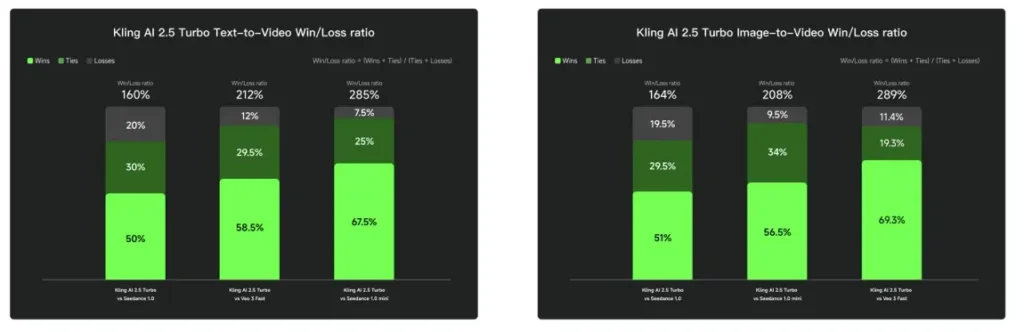
Kling 2.5 Turbo API
Kling 2.5 Turbo released late September 2025 — and positioned as a fast, cinematic text-to-video / image-to-video model. The release emphasizes faster generation, improved prompt adherence, and better temporal / camera control, positioning the model as a production-oriented upgrade over earlier Kling 2.x releases.
Kling 2.1 vs Google veo 3: A Comparative Analysis
You’ve probably come across two names making waves recently When you’re diving into AI video generation: Kling 2.1 and Veo 3, Google DeepMind’s most advanced
Kuaishou Unveils Kling 2.1: A More Accessible, High-Fidelity AI Video Generator
Kling 2.1 marks a significant leap forward in the rapidly evolving field of AI-driven video generation. Launched in May 2025 by Kuaishou’s AI research
Kling 2.0: Feature, Access and Comparision
Kling 2.0 represents a major leap in generative video technology, heralding a new era in which text and image prompts can be transformed into
Kling 2.0 Master API
The Kling 2.0 Master API is an advanced AI video generation tool that transforms text or images into cinematic-quality videos, featuring enhanced prompt comprehension, lifelike motion dynamics, and multimodal editing capabilities for precise creative control.